Skip to content


Do I need a screen protector if I already have a case?
Yes, for most users. A case and a screen protector defend against different types of damage, so having one doesn’t make the other unnecessary. A case absorbs shock from drops and impacts around the edges and back of the phone; a screen protector defends the display itself against scratches, everyday surface wear, and adds a sacrificial layer that can crack in place of the actual screen. Used together, they cover the two most common causes of phone damage.
What does a case actually protect against?
A case’s main job is absorbing and redirecting impact energy, so it doesn’t travel through the phone’s frame into the screen or internal components. Most modern cases include a raised lip or bezel around the front edge, so if the phone lands face-down on a flat surface, the case, not the screen, makes first contact. Reinforced corners typically get extra cushioning too, since corner-first drops are one of the most common ways screens crack.
What a case does not stop: everyday scratching. A case covers the back and sides, not the screen surface itself.
What does a screen protector actually protect against?
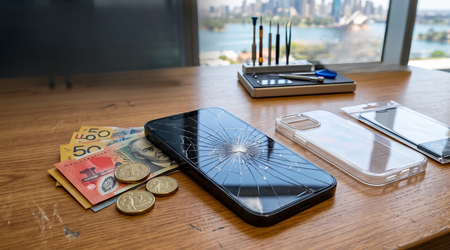
A screen protector is a sacrificial layer that takes the wear your screen otherwise would. The most common cause of screen damage isn’t one dramatic drop, it’s repeated, low-level contact: a coin in the same pocket, dust and grit on a countertop, or a phone placed screen-down on a rough surface. This kind of contact doesn’t crack a screen outright; it creates fine scratches that gradually dull clarity and reduce touch sensitivity over time. A tempered glass protector takes that wear instead, and can be replaced cheaply when it shows damage, instead of replacing the whole display.
In a direct face-down drop, a good screen protector can also absorb and distribute some of the impact, sometimes cracking itself while the screen underneath stays intact, which is the protector doing its job, not failing at it.
Case vs screen protector: what each one is actually for?
|
|
Case |
Screen protector |
|
Protects against |
Drops, impacts, edge/corner damage |
Scratches, surface wear, some impact absorption |
|
Covers |
Back, sides, edges of the phone |
Front display only |
|
Replaceable if damaged |
Yes, but usually a bigger cost |
Yes, cheaply and quickly |
|
Affects display clarity |
No |
No, if it’s a quality high-transparency protector |
|
Needed on its own? |
Reduces risk, but leaves the screen exposed to wear |
Reduces risk, but leaves the phone body exposed to impact |
|
Best used |
Alongside a screen protector |
Alongside a case |
Is there any situation where I only need one, not both?
If you rarely put your phone at risk, you don’t work with your hands, don’t carry it loose with keys or coins, and are careful about where you set it down, you may get away with just a case for a while. But most people’s day-to-day handling (pockets, bags, benches, tables) creates enough low-level wear that a screen protector remains worthwhile even with a good case, particularly since most people keep a phone for two or more years and screen clarity and resale value both degrade faster unprotected.
Will a case and screen protector fit together properly?
Yes, when they’re matched to your exact phone model and to each other. Compatibility issues (edge lifting, air bubbles, a case that won’t close flush) almost always come down to the screen protector being cut too large for the case’s inner lip, not a fundamental incompatibility between cases and protectors. Screen protectors designed to be case-friendly, trimmed slightly smaller than the full display, are built to avoid this.
Quick answers
Can a phone case replace a screen protector?
No. A case protects the body and edges from impact; a screen protector protects the display surface from scratches and everyday wear. They cover different risks.
Will a screen protector reduce my phone’s touch sensitivity or screen clarity?
A quality screen protector with high-transparency glass should have no noticeable effect on clarity, colour accuracy, or touch response.
How do I know if I need to replace my screen protector?
Visible scratches, smudge build-up that doesn’t wipe clean, air bubbles, or getting a new phone are all signals it’s time to replace it.
Sources:
New Case Pty Ltd case vs screen protector guide, Cruzerlite screen protector/case compatibility guide, Tuff8 screen protector guides, Phone-Expert.com.au screen protector comparisons.